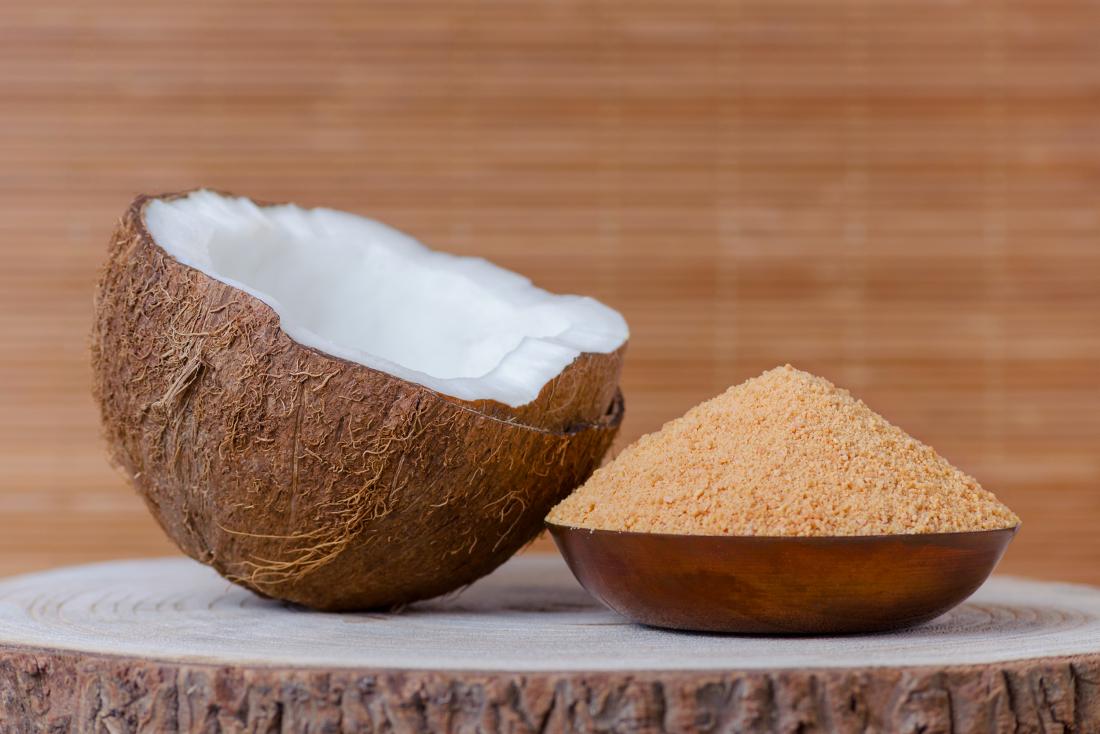
Coconut blossom sugar is most commonly extracted from the nectar of coconut flowers. It is naturally rich in minerals (magnesium, zinc, iron) and vitamins, and is high in polyphenols and antioxidants. Unlike refined white sugar, coconut sugar retains many essential nutrients. White sugar, on the other hand, contains only empty calories. The production process of coconut sugar is significantly more expensive than that of white sugar, so the price is also significantly higher.
Coconut sugar is considered to be a healthier choice compared to white sugar also its lower glycemic index due to. Coconut sugar has a glycemic index of 35, white sugar 65.
Glycaemic index (GI) shows how carbohydrate-containing foods affect the rise in blood glucose levels after a meal, i.e. after absorption. The GI of a food is determined by assessing the rise in blood glucose levels after the food is absorbed. The higher the glycaemic index of a food, the faster the rise in blood glucose after eating (1).
Low-GI foods raise blood glucose levels more slowly and at a steadier rate because the body digests these foods for longer. Glucose is then absorbed into the bloodstream slowly, ensuring a more even level of carbohydrate intake and a feeling of fullness for longer. The glycaemic index of coconut is much lower than that of white sugar, which t This makes it a more suitable choice for people with diabetes or those who want to control their blood glucose levels (2, 3).
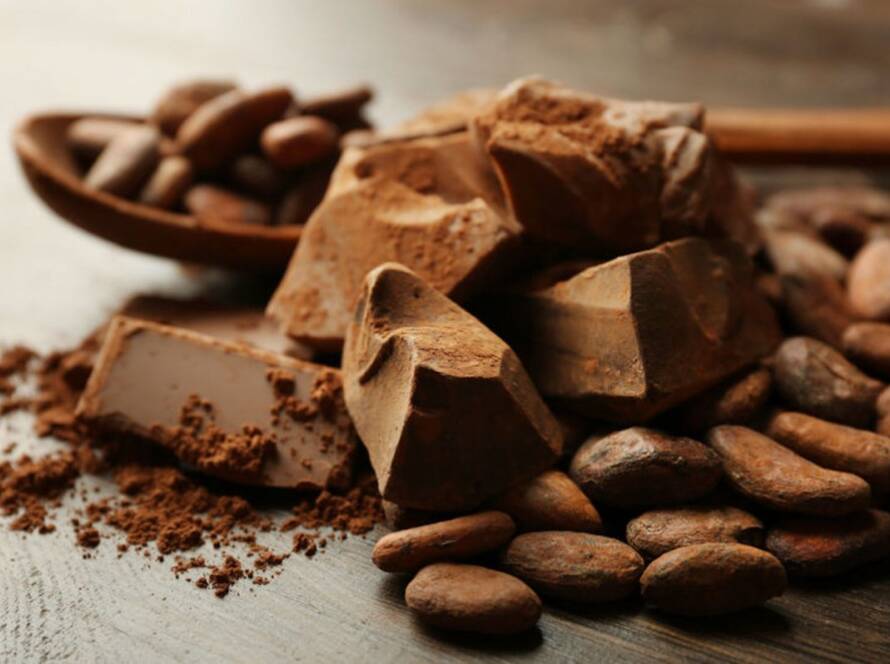
Many NAMM chocolates contain only coconut sugar and some also contain unrefined cane sugar. Unrefined cane sugar undergoes a minimal processing, which helps to retain more nutrients and natural flavour than regular white sugar.
References:
- https://www.kliinikum.ee/diabeet/toitumine-2/glukeemiline-indeks-ja-koormus/
- Tey, Siew Ling, et al. “Effects of honey and sugar on postprandial blood glucose and insulin responses: randomized crossover trial.” International Journal of Food Sciences and Nutrition 63.7 (2012): 823-829.
- Sugihara, Yuichi, et al. “Glycemic index of commercially available foods in Japan.” European Journal of Clinical Nutrition 60.11 (2006): 1-7.